There is a particular kind of quiet that falls over an exam room when a vet says the word “surgery.”
The leash goes slack in your hand. Your pet, completely unbothered, is probably sniffing the corner of the table. But you are already somewhere else entirely, running through every worst-case scenario you have ever read on the internet at 2 a.m.
Here is what we want you to know before any of that takes over: Pet Surgery is not a last resort. It is not a sign that something has gone terribly wrong or that you missed something you should have caught. In many cases, it is simply the most direct, most effective route to getting your pet back to their normal, happy self. Vets do not recommend it lightly; they do so only when the evidence supports it.
What actually helps in that exam room moment is not reassurance. It is information. Knowing what signs point toward surgery before you ever hear the word, understanding which conditions routinely require it, and knowing exactly what the process looks like, all of that takes a situation that feels overwhelming and makes it something you can actually work with.
That is what this guide is for. At Family Veterinary Care of Oakdale, we have had this conversation with hundreds of families across Oakdale, Riverbank, and Escalon, and the ones who feel most confident are the ones who walked in already knowing what to ask.
Why Would a Pet Need Surgery?
Pets cannot tell us when something hurts. They are remarkably good at hiding pain and discomfort, so by the time you notice something is wrong, the problem may already have progressed. Surgery becomes necessary when a medical condition cannot be resolved through medication, rest, or other non-invasive treatments alone.
Sometimes surgery is urgent, like when a dog swallows something it shouldn’t or a cat’s bladder becomes completely blocked. Other times it is planned, like a spay or neuter procedure, or the removal of a benign growth that’s slowly getting bigger.
The key is knowing what to watch for so you can get your pet evaluated before a manageable problem becomes dangerous.
Warning Signs That Your Pet May Need Surgery
Your pet’s body communicates distress in ways that are easy to miss if you don’t know what to look for. Here are the signs that warrant an immediate call to your vet or a visit to the clinic.
Abdominal Swelling or a Distended Belly
If your dog’s stomach looks bloated or unusually round, especially if it came on suddenly, do not wait. This can be a sign of gastric dilatation-volvulus (GDV), a life-threatening condition where the stomach fills with gas and twists on itself. It is most common in large, deep-chested breeds like German Shepherds, Great Danes, and Dobermans, but it can occur in any breed. Without surgery, GDV is fatal within hours.
Persistent Vomiting or Inability to Keep Food or Water Down
Occasional vomiting is not unusual in pets. But if your dog or cat is vomiting repeatedly, seems unable to hold anything down, and appears lethargic, that combination is concerning. It could indicate a gastrointestinal obstruction, a foreign body lodged in the digestive tract, or an intestinal issue requiring surgical correction.
Limping That Does Not Improve
Limping for a day after a hard run might just be soreness. Limping that persists for 48 to 72 hours or more, especially in young large-breed dogs, should be evaluated. Conditions like cruciate ligament tears (a common dog surgery), hip dysplasia complications, or bone fractures often require surgery for proper healing.
Lumps, Bumps, or Growths
Not every lump is cancer. But every lump deserves a look. Masses that are growing quickly, changing shape, feel firm or immovable, or are located near vital structures often need to be surgically removed. Fine-needle aspirates can provide valuable information, but sometimes the only way to fully evaluate a mass is to remove it and send it to the lab for analysis.
Difficulty Urinating or No Urination at All
A cat straining in the litter box, or a dog going outside repeatedly without producing urine, is a veterinary emergency. Urinary blockages can become fatal within 24 to 48 hours if left untreated. While some blockages are managed medically, others require surgical intervention depending on the cause and severity.
Deep wounds won’t Stop Bleeding or Show Signs of Infection
Surface cuts can sometimes be managed at home, but deep lacerations, bite wounds (which often go deeper than they appear), and infected wounds that have formed abscesses require professional care. Many require sedation and surgical cleaning or closure.
Difficulty Breathing Combined With Other Symptoms
This one is always urgent. While many respiratory issues are treated medically, some chest conditions, certain tumors, and traumatic injuries may require surgery to correct.
Common Conditions That Require Pet Surgery
Here is a look at the surgical procedures we most commonly perform for dogs and cats in the Oakdale area, and why they are necessary.
Spay and Neuter Surgery
These are among the most common dog surgeries and cat surgeries performed anywhere. Beyond population control, spaying eliminates the risk of pyometra (a life-threatening uterine infection), greatly reduces the risk of mammary cancer in females, and prevents testicular cancer in males. Neutering also reduces behaviors like roaming and aggression. These are elective procedures, but they carry significant health benefits.
Cruciate Ligament Repair (TPLO or TTA)
The cranial cruciate ligament in dogs is the equivalent of the ACL in humans. Tears are extremely common, especially in active, medium to large breeds. Dogs with a torn cruciate are typically unable to bear weight on the affected leg and will not recover without surgery. Procedures like the TPLO (Tibial Plateau Leveling Osteotomy) are highly effective and give most dogs a return to normal activity levels.
Mass or Tumor Removal
Whether benign or malignant, growths that cause discomfort, affect organ function, or grow rapidly are best removed sooner rather than later. Early removal often means a cleaner margin and a better prognosis. We always recommend having masses removed and biopsied so you have a full picture of what you are dealing with.
Gastrointestinal Surgery (Foreign Body Removal, Intestinal Obstruction)
Dogs especially have a talent for eating things they should not. Socks, corn cobs, toys, bones, hair ties, the list goes on. If a foreign object cannot pass on its own or be retrieved endoscopically, Foreign body removal surgery becomes the only safe option. The longer a blockage sits, the higher the risk of intestinal damage or perforation.
Bladder Surgery (Cystotomy for Bladder Stones)
Bladder stones that are too large to pass naturally, or that keep recurring, are typically removed surgically. Cats and dogs can both develop these, and certain breeds are more predisposed. The good news is that with dietary management after surgery, recurrence can often be prevented.
Gastropexy (Preventive Stomach Tacking)
For breeds at high risk for GDV, a preventive gastropexy, where the stomach is surgically attached to the abdominal wall to prevent twisting, is often recommended at the time of spay or neuter. It does not prevent bloating, but it does prevent the deadly twist, and it is a well-established, highly effective procedure.
Wound Repair and Abscess Drainage
Bite wounds from other animals are some of the most common reasons pets end up in surgery. What appears to be a small puncture on the outside often hides significant tissue damage beneath. Abscesses from untreated bite wounds can spread quickly and become systemic. Proper surgical cleaning and closure are critical for healing.
Orthopedic Surgery
Beyond cruciate repairs, orthopedic surgeries may include fracture repair, luxating patella correction (common in small breeds like Chihuahuas and Yorkies), and femoral head ostectomy for hip issues. These procedures dramatically improve the quality of life for affected animals.
What to Expect: The Surgical Process at Family Veterinary Care of Oakdale
We know that entrusting your pet to us for surgery takes trust. Here is what the process actually looks like, so there are no surprises.
Pre-Surgical Evaluation
Before any surgery, your vet will perform a thorough physical exam and recommend bloodwork. This pre-anesthetic panel checks organ function and helps us tailor the anesthesia protocol to your specific pet. For older pets or those with known health conditions, additional diagnostics, such as X-rays or an EKG, may be recommended. This step is not just a formality. It is how we keep your pet safe.
The Day of Surgery
You will typically be asked to withhold food from your pet starting the night before. When you bring them in, our team will go over the procedure with you, answer any last-minute questions, and get your pet settled. We understand it can feel emotional leaving them. Our staff treats every animal like their own from the moment they come through the door.
Anesthesia and Monitoring
Modern veterinary anesthesia is extremely safe when administered and monitored correctly. Your pet will be given a customized anesthetic protocol, and a dedicated team member will monitor their vital signs throughout the procedure. We monitor heart rate, blood pressure, oxygen saturation, temperature, and more in real time.
The Surgery Itself
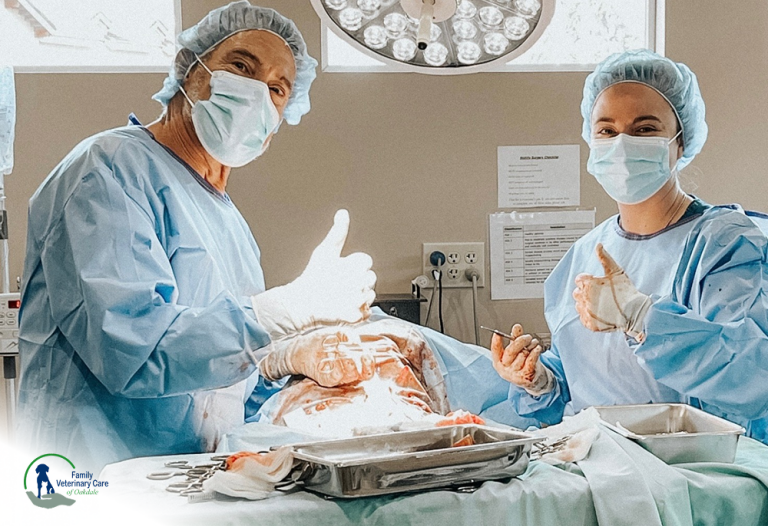
Surgical techniques vary depending on the procedure, but all of our surgeries are performed with sterile technique and precision. We take our time. There is no rushing when it comes to your pet’s care.
Recovery and Post-Op Care
When surgery is complete, your pet will recover in our care until they are alert, stable, and comfortable. Depending on the procedure, they may go home the same day or stay overnight for observation. Before discharge, we will walk you through exactly what to do at home, including activity restrictions, wound care, medication schedules, and what warning signs to watch for.
Most pets recover very well with proper post-op care. You will typically have a follow-up appointment scheduled to check the incision and assess healing.
Affordable Pet Surgery: What You Should Know About Costs
We hear this concern from pet owners all the time, and it is a fair one. The cost of pet surgery in Oakdale or anywhere can feel overwhelming, especially when the need is unexpected.
At Family Veterinary Care of Oakdale, we believe cost should never be the reason a pet doesn’t get the care they need. We offer several payment options to help make care accessible. We encourage you to ask about CareCredit, Scratchpay, or other financing options that can break down the cost into manageable monthly payments.
We will always provide a detailed estimate before any procedure so you know exactly what to expect. And if there are multiple approaches to treating a condition, we will talk through the options honestly so you can make the decision that is right for your family.
Frequently Asked Questions About Pet Surgery
How do I know if my pet’s situation is a surgical emergency?
If your pet is in severe pain, cannot urinate, has a severely distended abdomen, is collapsed, stopped breathing normally, or is bleeding heavily, go straight to the vet without waiting. These are emergencies. For anything less acute but still concerning, call us, and we will help you assess the urgency over the phone.
Is pet surgery safe?
Yes, when performed by experienced veterinarians with proper monitoring and equipment, surgery is very safe. Pre-surgical bloodwork and customized anesthesia protocols significantly reduce risk. Your vet will discuss any specific risks related to your pet’s age, breed, or health status.
How long will it take for my pet to recover?
Recovery varies by procedure. A routine spay or neuter typically takes 10 to 14 days. More involved orthopedic or abdominal surgeries can require 4 to 8 weeks of restricted activity. Your vet will give you a specific timeline and instructions for your pet’s procedure.
Will my pet be in pain after surgery?
We take pain management seriously. All surgical patients receive appropriate pain relief during and after their procedure. You will also go home with pain medications and instructions to keep your pet comfortable during recovery.
Can older pets have surgery?
Age alone is not a reason to avoid surgery when it is necessary. Senior pets can and do come through surgeries successfully. We take extra precautions with older patients, including more thorough pre-surgical screening, and we will always have an honest conversation with you about the risks and benefits.
What if I cannot afford surgery right now?
Please talk to us. We would rather have that conversation than have you feel like you have no options. We can discuss payment plans, care prioritization, and realistic timelines together.
Is there a pet surgery clinic near Riverbank or Escalon?
Yes. Family Veterinary Care of Oakdale serves pets and families from Oakdale, Riverbank, Escalon, and the surrounding 209 region. We are located at 389 W F St, Oakdale, CA 95361, and you can reach us at (209) 847-9077.
Your Pet Deserves the Best Surgical Care Available
Surgery is rarely what anyone wants to hear. But when it is necessary, knowing your pet is in the hands of a team that genuinely cares makes all the difference. At Family Veterinary Care of Oakdale, we do not treat your pet like a number on a chart. We treat them like family.
If your pet is showing any of the warning signs mentioned above, or if you have been told surgery may be in your pet’s future, and you want a second opinion or a thorough consultation, we are here.
Request an Appointment or call us at (209) 847-9077. We are here Monday through Saturday to help.


Leave A Comment