Mobility-Restoring Surgery: Cat & Dog Orthopedic Surgery in Oakdale, CA
Orthopedic problems can affect your pet’s comfort, confidence, and ability to enjoy daily life, and some injuries need surgical care to heal properly.
Family Veterinary Care of Oakdale provides cat and dog orthopedic surgery for select bone, joint, and mobility conditions, including TPLO, FHO, certain fracture repairs, and amputations. Our Oakdale, CA team focuses on careful case evaluation, clear communication, and a recovery plan that helps you know what to expect at home.
If your dog or cat is limping, painful, injured, or has been diagnosed with an orthopedic condition, book online or call (209) 847-9077 to request an appointment today.
When Might a Pet Need Orthopedic Surgery?
Orthopedic surgery may be recommended when a pet has an injury or condition affecting the bones, joints, ligaments, or limbs that cannot heal well with rest or medication alone. These conditions can cause pain, instability, reduced mobility, and long-term joint damage if they are not addressed.
Your pet may need an orthopedic evaluation if you notice:
-
Limping that does not improve
-
Sudden inability to use a leg
-
Pain after running, jumping, or playing
-
Trouble rising, sitting, or lying down
-
Swelling around a joint or limb
-
Reluctance to climb stairs or jump
-
A known fall, accident, or traumatic injury
-
Crying, trembling, or guarding a limb
-
Holding a leg up
-
Chronic mobility problems that are getting worse
Some orthopedic problems develop suddenly, while others progress over time. A veterinary exam and diagnostic imaging can help identify the source of pain and determine whether surgery, medical management, or referral is the best option.
Cat & Dog Orthopedic Surgeries We Perform
Family Veterinary Care of Oakdale offers select orthopedic procedures for dogs and cats. Each case is evaluated carefully so we can recommend the safest and most appropriate treatment plan for your pet.
How to Help Your Pet Recover from Orthopedic Surgery
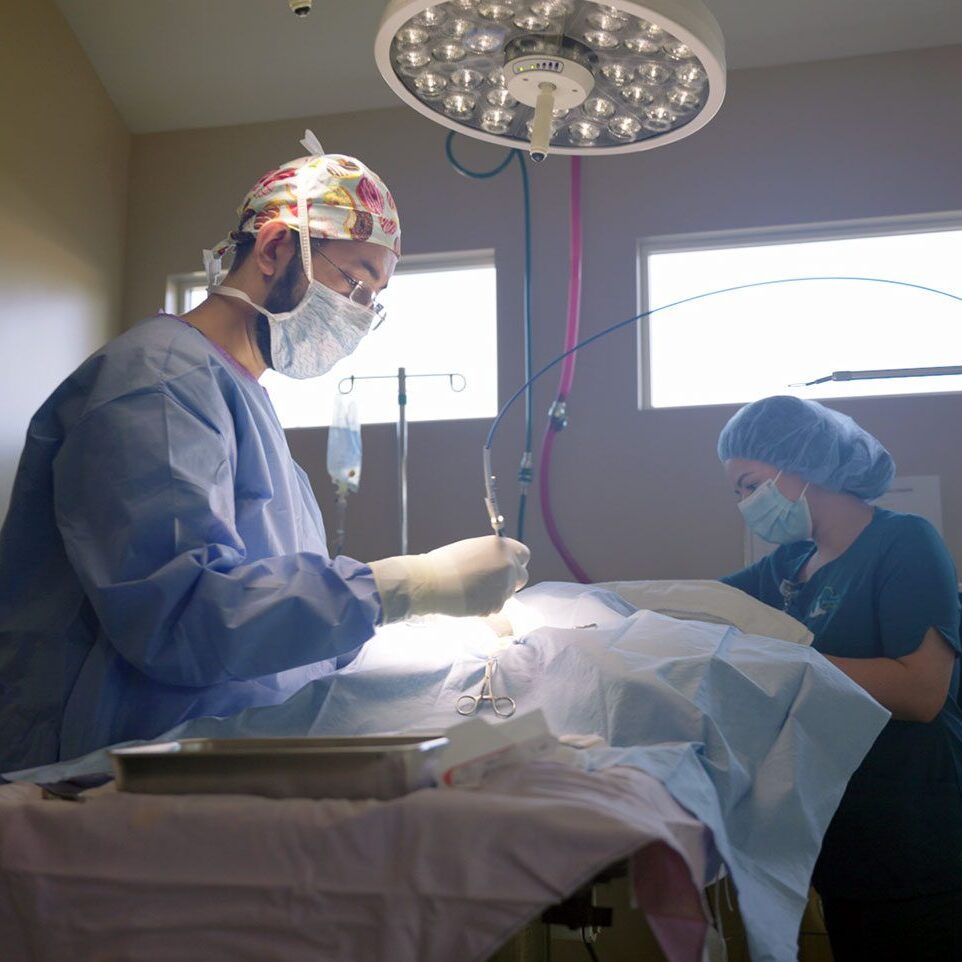
Orthopedic recovery takes time, patience, and close attention at home. Your pet may feel better before their bones, joints, or soft tissues have fully healed, so activity restriction is an important part of the process.
After surgery, your pet may need:
-
Pain medication and anti-inflammatory support
-
Strict rest or controlled activity
-
Leash walks only
-
No running, jumping, stairs, or rough play
-
Incision monitoring
-
An e-collar or recovery suit
-
Follow-up exams
-
Repeat radiographs when recommended
-
A gradual return to normal activity
Our team will give you detailed discharge instructions based on your pet’s procedure. We will also explain what changes are expected, what symptoms should prompt a call, and when your pet can begin increasing activity.
How to Support Your Pet at Home After Orthopedic Surgery
Your home care plays a major role in your pet’s healing. Orthopedic surgery recovery can be challenging because many pets want to move more than they should once discomfort begins to improve.
To help protect your pet’s repair:
-
Set up a quiet recovery area
-
Use rugs or mats on slippery floors
-
Block stairs when needed
-
Keep your pet on a leash for bathroom breaks
-
Give medications exactly as directed
-
Prevent licking or chewing at the incision
-
Check the incision daily
-
Follow all activity restrictions
-
Attend recommended follow-up visits
Call us if your pet stops using the limb, seems increasingly painful, refuses food, develops swelling or discharge, damages the incision, or has any symptoms that worry you.
Orthopedic problems can be painful, but the right care plan can help your pet regain comfort and mobility. Book online or call (209) 847-9077 to request an appointment to discuss surgery with our team.