Fresh Breath, Healthy Smiles: Cat & Dog Teeth Cleaning in Oakdale, CA
Bad breath is easy to joke about until your pet stops chewing normally, drops food, or paws at their mouth. Dental disease can be painful, and many dogs and cats keep eating even when their teeth or gums are causing discomfort. Fortunately, regular cat and dog teeth cleanings can tackle tough tartar and keep pets’ mouths clean, healthy, and pain-free.
Family Veterinary Care of Oakdale in Oakdale, CA offers pet teeth cleanings that include a thorough oral health assessment, plaque and tartar removal, polishing, and full-mouth dental X-rays to look below the gumline where many dental problems hide. Our team uses anesthesia for professional dental cleanings so we can examine and clean your pet’s mouth safely and comfortably.
If your pet has bad breath, visible tartar, or red gums, request a dental visit today by calling (209) 847-9077 or clicking below.
Why Is Dental Care So Important for Pets?
Dental care is important because plaque and tartar can lead to gum inflammation, infection, tooth pain, and tooth loss. Periodontal disease is one of the most common diseases seen in dogs and cats, and it often starts beneath the gumline before pet owners can see obvious signs at home.
Untreated dental disease can affect your pet’s comfort and daily routine. A painful mouth may make chewing harder, change eating habits, or cause your pet to become less playful or more withdrawn.
Dental problems can also include fractured teeth, abscesses, tooth resorption, oral masses, and infected tissue. Professional dental care helps us identify these concerns, relieve pain, and protect your pet’s long-term oral health.
How Can I Tell If My Pet Has Dental Disease?
Pets with dental disease may still eat, play, and act mostly normal, which can make oral pain easy to miss. Bad breath is one of the most common signs, but it is not the only one.
You should schedule a dental exam if you notice:
-
Bad breath
-
Yellow or brown tartar
-
Red, swollen, or bleeding gums
-
Drooling more than usual
-
Pawing at the mouth
-
Dropping food while eating
-
Chewing on one side of the mouth
-
Trouble chewing hard food or treats
-
Loose, broken, or discolored teeth
-
Swelling around the mouth or face
-
A sudden change in appetite
-
Hiding, irritability, or less interest in play
Even if your pet’s teeth look “fine” from the outside, dental disease can still be present below the gumline. That is why veterinary dental exams and dental X-rays are so helpful.
What Happens During a Professional Cat and Dog Teeth Cleaning?
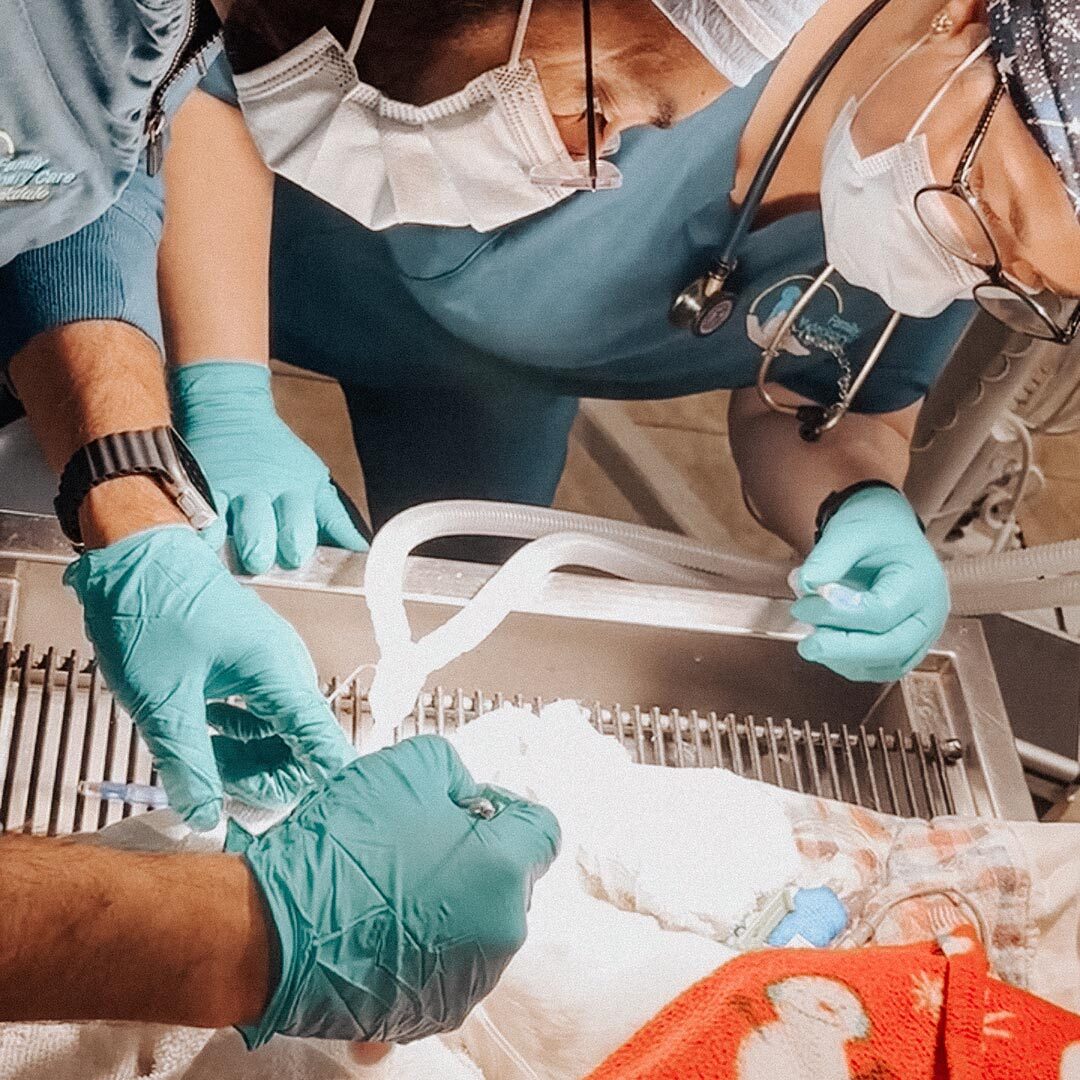
A professional cat and dog teeth cleaning allows our veterinary team to fully examine, clean, and evaluate your pet’s mouth. Because pets cannot sit still, rinse, or tell us where it hurts, dental cleanings are performed under controlled anesthesia for safety and comfort.
During your pet’s dental procedure, our team will:
-
Assess your pet’s oral health
-
Remove plaque and tartar above and below the gumline
-
Polish the teeth
-
Examine each tooth and supporting structure
-
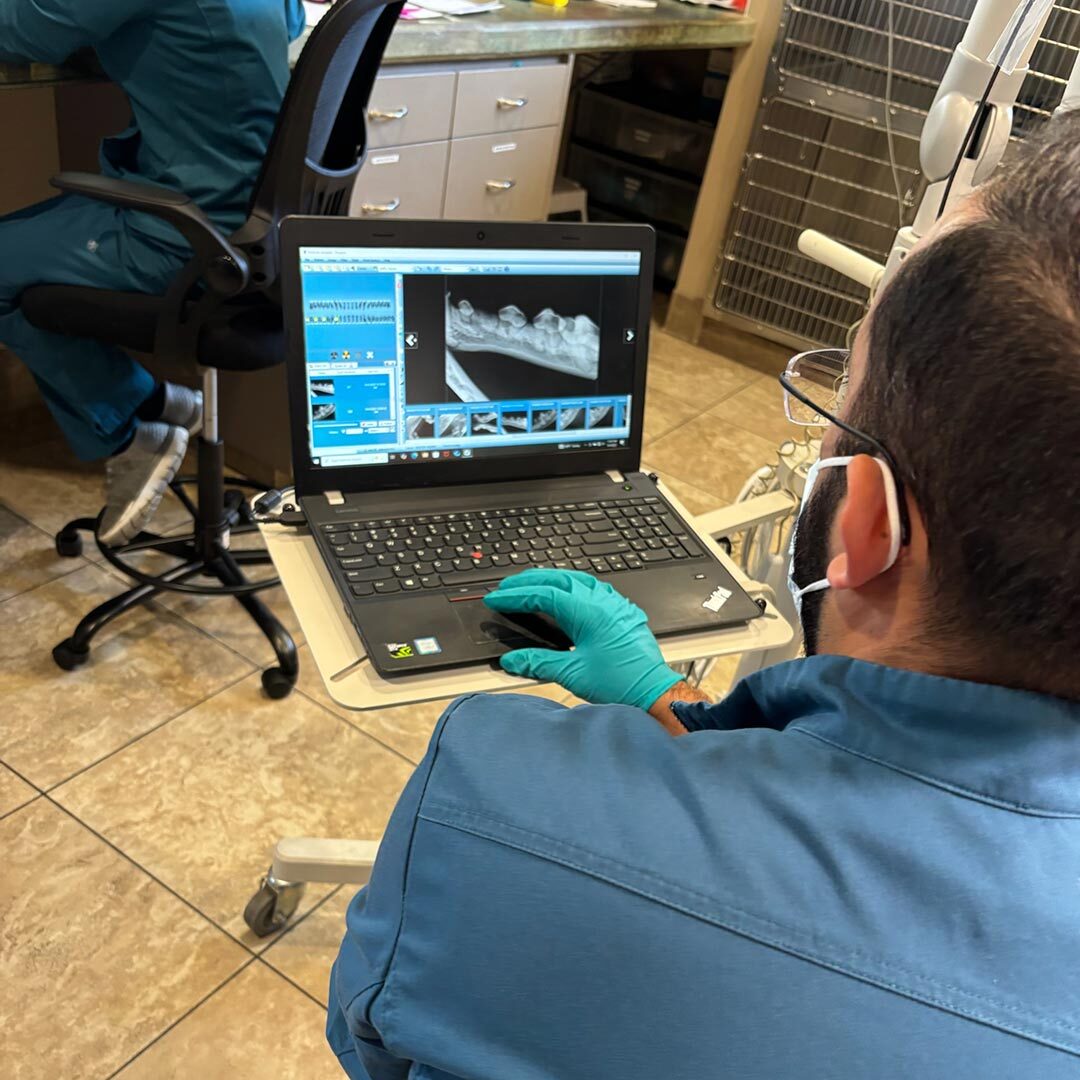
Take digital full-mouth dental X-rays
-
Look for hidden disease, infection, fractures, or root problems
-
Discuss findings and any recommended treatment
At Family Veterinary Care of Oakdale, full-mouth dental X-rays are included for dental patients because two-thirds of each tooth is hidden below the gumline, where many problems begin. These images help us find concerns that cannot be seen during a surface exam alone.
What If My Pet Needs Oral Surgery?
Some pets need oral surgery when a tooth is fractured, infected, painful, loose, or affected by advanced dental disease. Tooth extractions may also be recommended when keeping a damaged tooth would leave your pet in ongoing discomfort.
If oral surgery is needed, our team will explain what we found, why treatment is recommended, and what recovery may involve. We use local anesthetic nerve blocks and multi-modal pain control strategies to help pets recover more comfortably after dental procedures.
Our goal is to remove sources of pain and infection so your pet can return to eating, chewing, grooming, and playing more comfortably.
What Should I Expect with At-Home Dental Care?
At-home dental care helps reduce plaque and tartar between professional cleanings. It does not replace a veterinary dental cleaning, but it can help slow buildup and support healthier gums.
Your pet’s home dental routine may include:
-
Tooth brushing with pet-safe toothpaste
-
Veterinary-recommended dental chews
-
Dental diets, when appropriate
-
Oral rinses, wipes, or water additives
-
Routine checks for bad breath, tartar, swelling, or broken teeth
The best dental routine is one you can keep up with consistently. Our team can help you choose safe, effective products and show you how to make home care feel less stressful for your pet. We recommend products that bear the seal of approval from the Veterinary Oral Health Council (VOHC), as these items have proven their ability to slow plaque and tartar accumulation.
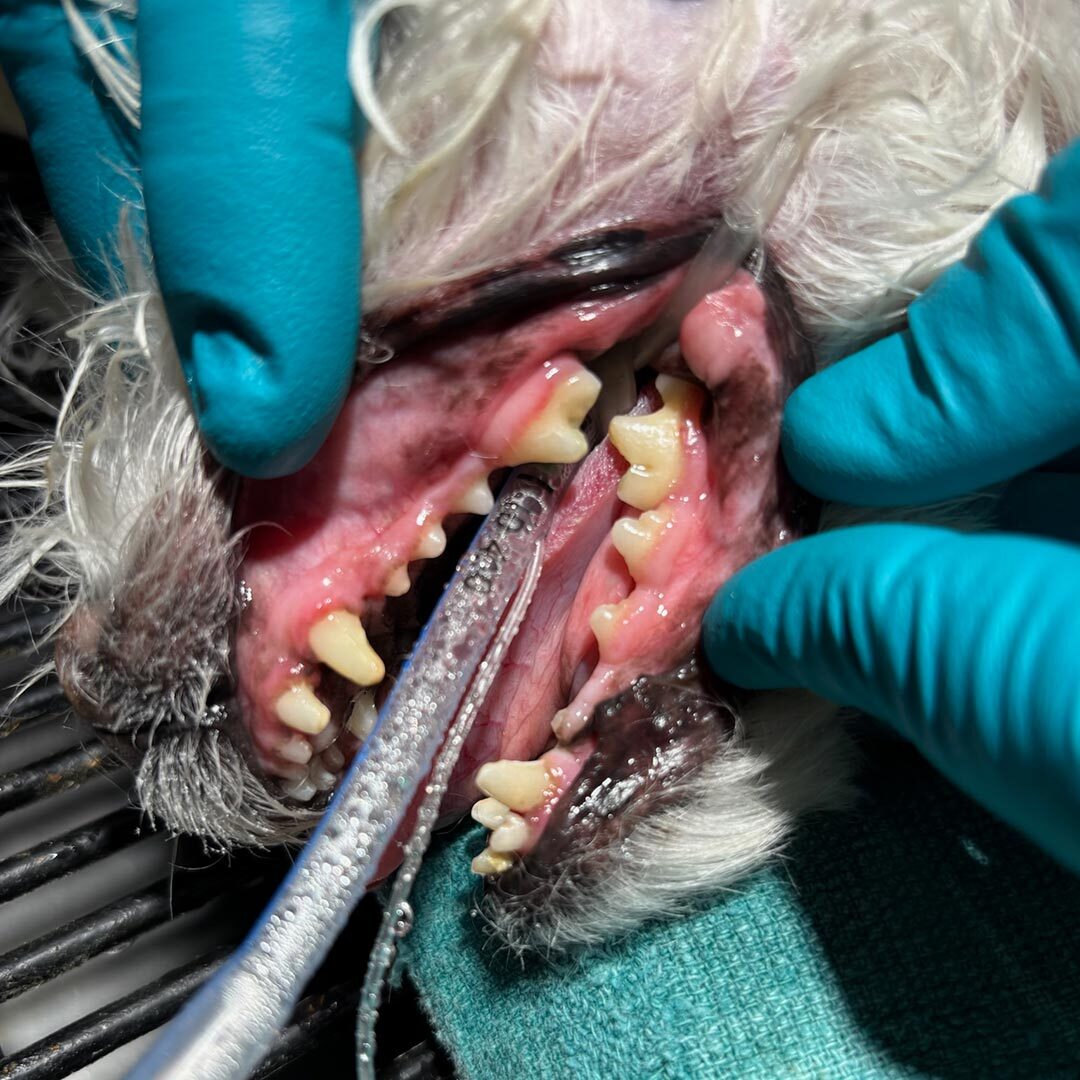
If your pet already has advanced tartar, sore gums, or broken teeth, home care alone will not fix the problem. A dental exam can help us determine whether professional cat and dog teeth cleaning or oral treatment is needed first, so call (209) 847-9077 or book online to schedule.