Lab Work & Imaging for Pets: Veterinary Diagnostics in Oakdale, CA
When your pet is sick, painful, losing weight, vomiting, limping, or simply not acting like themselves, a physical exam is often the first step. But some health problems are hidden below the surface. That is where diagnostic testing helps.
Family Veterinary Care of Oakdale provides veterinary diagnostics to help identify illness, injury, organ changes, infection, inflammation, masses, and other concerns that may not be visible from the outside. With in-house laboratory testing, imaging, ultrasound, endoscopy, and access to advanced imaging options, our team in Oakdale, CA can gather the information needed to guide your pet’s care.
If your pet is showing symptoms or we’ve recommended testing, book online or call (209) 847-9077 to request an appointment today.
When Might My Pet Need Diagnostic Testing?
Pets may need diagnostic testing when symptoms, exam findings, or age-related changes suggest something more is happening internally. Testing helps your veterinarian move from “something is wrong” to a clearer diagnosis and treatment plan.
Your pet may need diagnostic testing if they have:
-
Vomiting or diarrhea
-
Coughing, sneezing, or breathing changes
-
Limping, stiffness, or signs of pain
-
Weight loss or weight gain
-
Increased thirst or urination
-
Loss of appetite
-
Low energy or weakness
-
A swollen abdomen
-
Lumps, masses, or wounds
-
Eye, ear, nose, or throat concerns
-
Suspected infection
-
Possible injury or trauma
-
Changes in senior pet health
-
Abnormal screening results
Diagnostics may also be recommended for routine wellness screening, senior pet monitoring, pre-anesthetic evaluation before surgery, or follow-up care for chronic conditions. These tests help us catch changes earlier and track how your pet is responding to treatment.
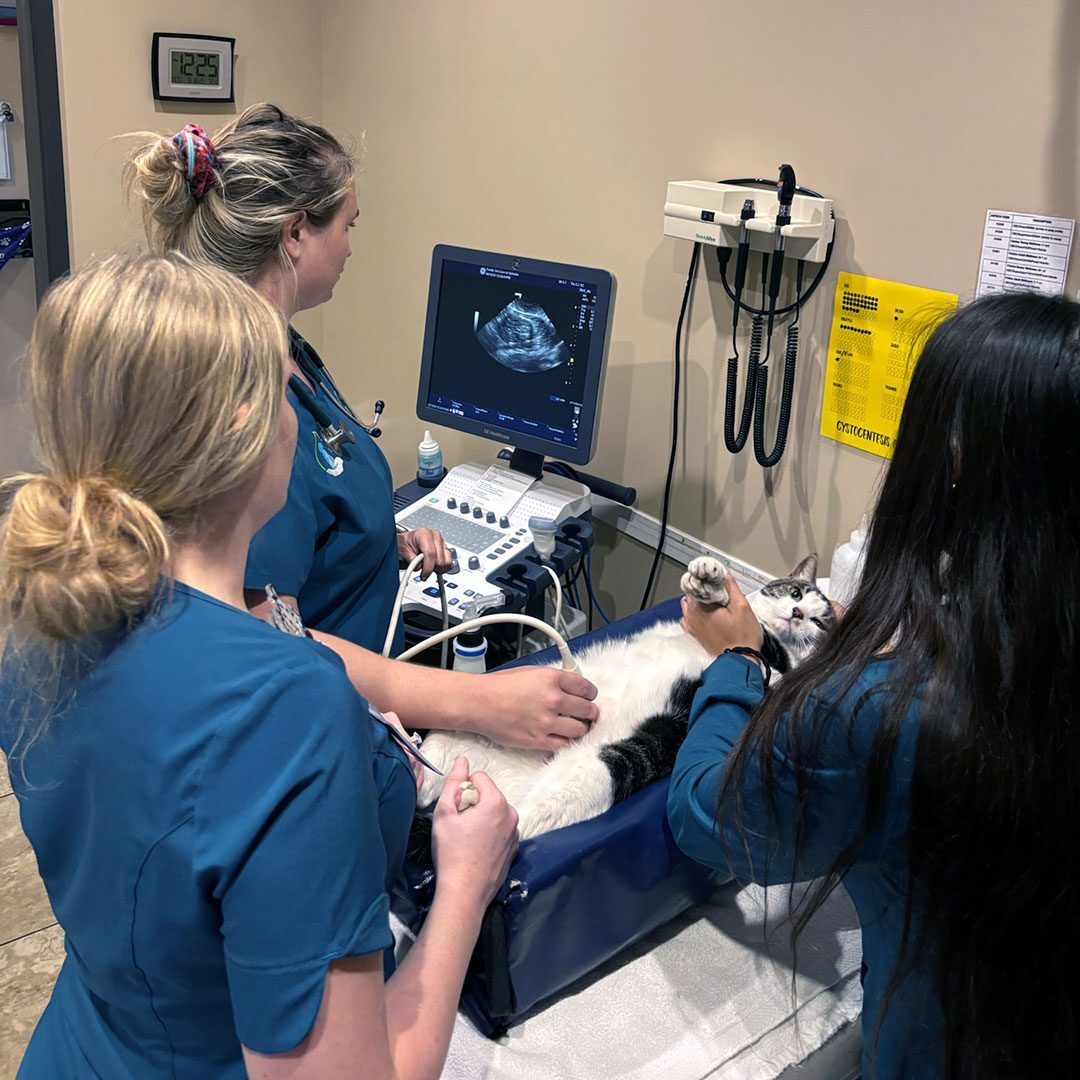
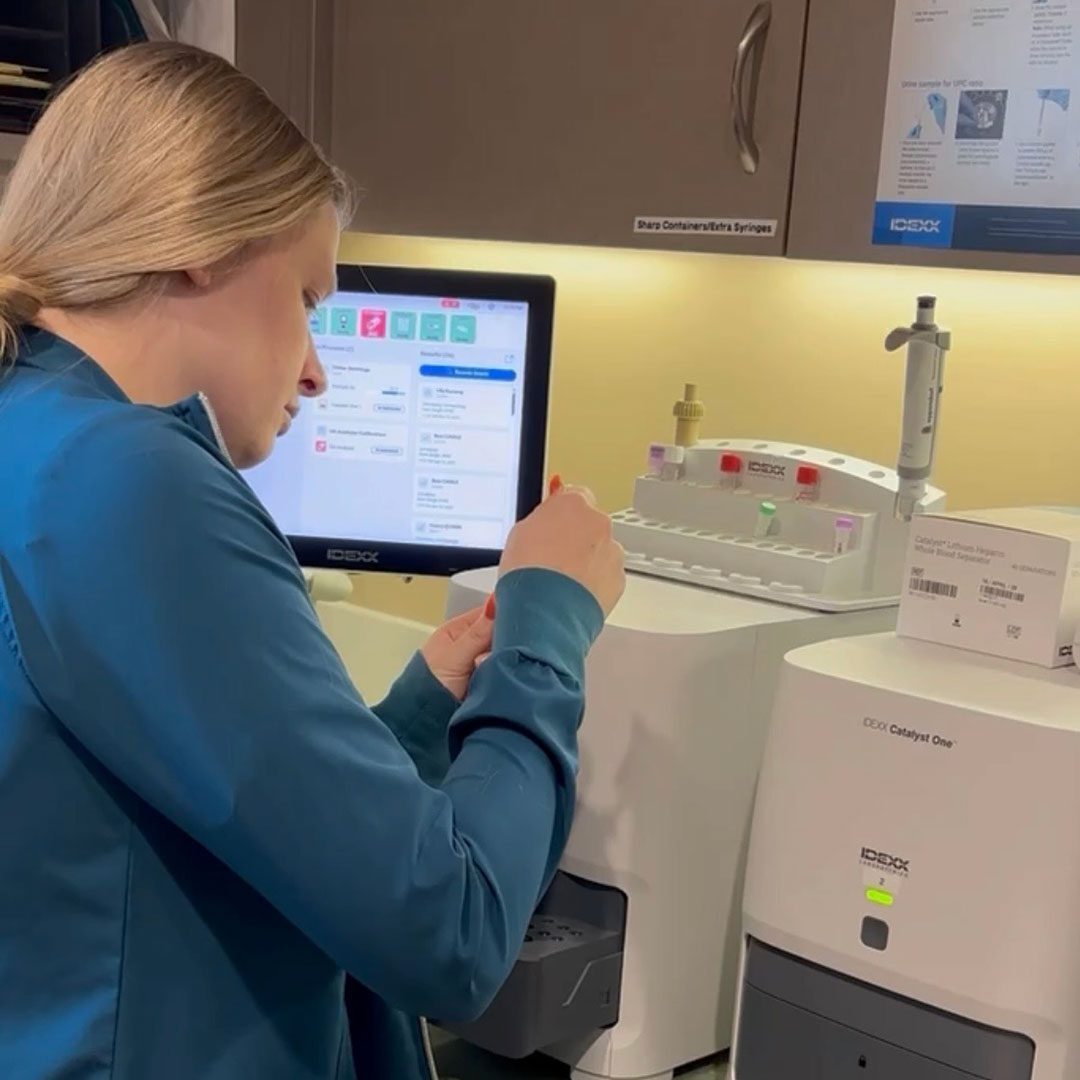
What Veterinary Diagnostics Do We Offer?
Family Veterinary Care of Oakdale offers several diagnostic tools to help our veterinarians evaluate your pet’s health from the inside out. The right test depends on your pet’s symptoms, exam findings, age, and medical history.