
My Dog Won’t Put Weight on a Leg: What Should I Do?
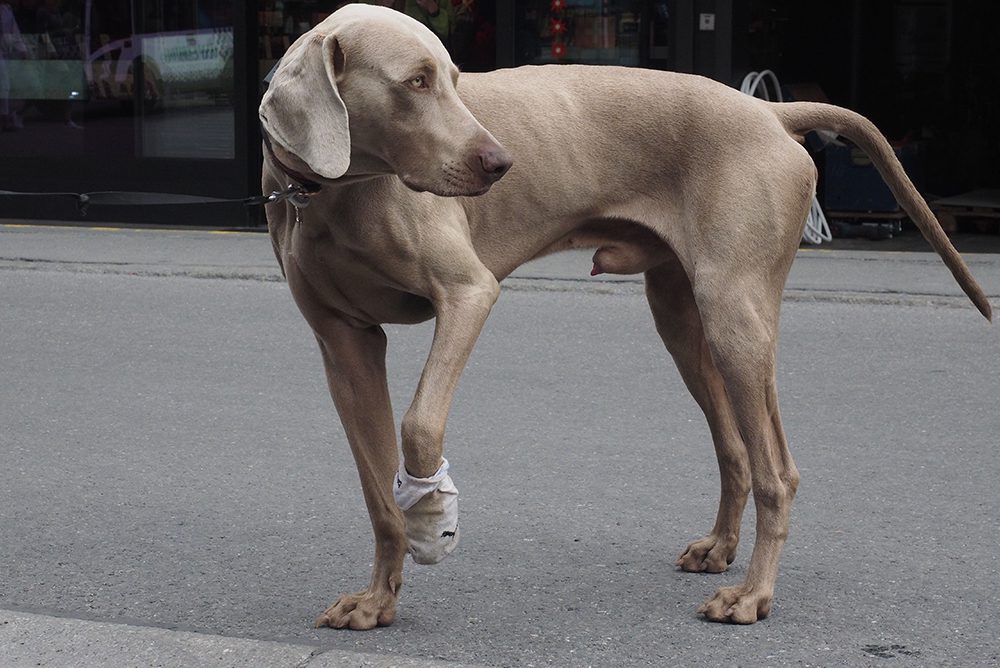
If your dog won’t put weight on a leg, limit their movement, keep them calm, and contact your veterinarian promptly, because refusing to bear weight usually signals significant pain or injury. A dog that holds a leg completely off the ground needs a professional exam, often the same day. Seeing your normally active companion hobbling on three legs is alarming, and it’s natural to wonder whether it’s a simple sprain or something more serious. The cause could be as minor as a thorn in the paw or as significant as a torn ligament or broken bone, and the outward signs don’t always reveal which. At Family Veterinary Care of Oakdale, we evaluate limping and lame dogs from across Oakdale, CA, and we know that quick action leads to faster relief. Read on to learn about the most likely causes, the immediate steps that help, when lameness becomes urgent, and how veterinarians find the source of the problem.
What Could Cause a Dog to Suddenly Stop Putting Weight on a Leg?
Sudden lameness can stem from problems anywhere in the limb, from the toenails up to the hip or shoulder. Some causes are minor and resolve quickly with care, while others require surgery or ongoing management.
Paw and Nail Injuries
The paw is often the first place your veterinarian looks. Cuts on the pads, broken or torn toenails, insect stings, and burns from hot pavement can all make a dog refuse to step down. Here in the Central Valley, grass awns known as foxtails are a frequent culprit. These barbed seeds work their way between toes and burrow into the skin, causing sudden pain and swelling.
Ligament, Joint, and Bone Problems
Orthopedic injuries are among the most common reasons a dog won’t put weight on a leg. Typical examples include:
- Cranial cruciate ligament (CCL) tears: the canine version of an ACL injury, often seen after a sudden twist or in overweight dogs
- Fractures: breaks from falls, car accidents, or rough play
- Dislocations: a hip or other joint forced out of its normal position
- Luxating patella: a kneecap that slips out of place, common in small breeds
- Sprains and strains: stretched or torn muscles and soft tissue
Less Obvious Causes
Not every case of lameness comes from an injury. Nerve problems, including spinal disc disease, can affect how a dog uses a limb. Joint infections, tick-borne illnesses, and immune-related conditions sometimes cause sudden limping as well. In large and giant breeds, bone tumors such as osteosarcoma can first appear as unexplained lameness that doesn’t improve. Because these conditions can look similar on the outside, a thorough exam is the only way to know what’s really going on. Age, breed, and activity level all offer helpful clues, but they can’t replace a hands-on evaluation when a dog won’t put weight on a leg.
What Should You Do Right Away If Your Dog Is Limping?
Your first priority is preventing further injury and getting professional help. A few simple, safe steps can protect your dog while you arrange care.
Safe First Steps
- Restrict activity and confine your dog to a small, quiet space or crate
- Carry small dogs and use a towel sling for support if a larger dog must walk
- Avoid stairs, jumping, slippery floors, and off-leash time
- Approach gently, since even gentle dogs may snap when they’re in pain
- Note when the limping started and anything that may have triggered it
- Call your veterinarian to describe the symptoms and schedule an exam
What to Avoid
Never give your dog human pain relievers such as ibuprofen, naproxen, or acetaminophen. These medications are toxic to dogs and can cause stomach ulcers, kidney failure, or liver damage, even in small amounts. Avoid trying to manipulate or straighten the leg, which can worsen a fracture or dislocation. It’s also best not to “test” the leg by encouraging your dog to walk or play. Leave the diagnosis and pain management to your veterinary team, who can prescribe dog-safe medications based on what they find.
Tracking Changes Before the Appointment
While you wait for your visit, keep an eye on whether the limp gets better, worse, or stays the same. A short video of your dog moving around the house can be extremely helpful, because many dogs hide their lameness once they arrive at the clinic. Share any recent activities, falls, or rough play with your veterinarian, too.
When Does Sudden Leg Lameness in a Dog Require Veterinary Care?
Any time a dog won’t put weight on a leg, a veterinary exam is warranted. Complete non-weight-bearing lameness is different from a mild limp, and it usually means your dog is in real pain.
Signs That Need Immediate Attention
Some situations call for an emergency visit rather than a scheduled appointment. Seek care right away if you notice:
- A leg that dangles, bends at an odd angle, or looks visibly deformed
- An open wound, heavy bleeding, or exposed bone
- Severe swelling or a limb that feels hot to the touch
- Crying out, trembling, or panting from pain
- Lameness following a car accident, fall, or dog fight
- Weakness or wobbliness in more than one leg
- Lethargy, fever, or loss of appetite alongside the limping
Why Waiting Can Make Things Worse
It’s tempting to give a limping dog a few days to see if things improve. However, when a dog won’t put weight on a leg, delaying care can allow fractures to begin healing in the wrong position, let infections spread, or cause partially torn ligaments to tear completely. Dogs also compensate by shifting weight to their other legs, which can strain healthy joints and lead to new injuries. Prompt evaluation gives your dog the best chance at a complete recovery and keeps a manageable problem from becoming a complicated one.
How Do Veterinarians Diagnose and Treat Leg Lameness?
Finding the source of lameness takes a systematic approach. Your veterinarian combines a hands-on exam with targeted testing to pinpoint the problem.
The Lameness Exam
Your veterinarian watches your dog walk and stand, then carefully feels each part of the affected leg, checking for swelling, heat, pain, and abnormal joint movement. The toes and pads are inspected closely for foreign objects or injuries. Specific tests, such as checking for instability in the knee, help identify ligament tears. Some dogs need mild sedation so the team can examine a painful limb thoroughly without causing distress.
Diagnostic Imaging and Lab Work
X-rays reveal fractures, dislocations, joint changes, and bone tumors. Bloodwork and tick-borne disease screening can uncover infections or systemic illness. In some cases, fluid is drawn from a joint for analysis, or advanced imaging is recommended through a referral center.
Treatment Options
Treatment depends entirely on the diagnosis. Minor soft tissue injuries may only need prescribed pain relief and strict rest. Foreign bodies like foxtails are removed in the clinic. Fractures may require splinting, casting, or surgical repair, and CCL tears frequently need surgical stabilization to restore function. Your veterinarian will explain each option, expected recovery time, and any rehabilitation steps your dog will need. Recovery from orthopedic surgery often involves several weeks of restricted activity followed by a gradual return to normal exercise, with recheck visits and follow-up X-rays to confirm healing is on track.
Getting Your Dog Back on All Four Paws in Oakdale
When your dog won’t put weight on a leg, it’s a clear message that something hurts. While some causes are minor, others need prompt treatment to prevent lasting damage, and only an exam can tell the difference. The team at Family Veterinary Care of Oakdale offers thorough lameness evaluations, diagnostic imaging, and treatment plans built around your dog’s specific injury and lifestyle. We’ll explain what we find, outline your options clearly, and support your dog through every stage of healing. If your dog is limping, holding up a leg, or moving differently than usual, call Family Veterinary Care of Oakdale at (209) 847-9077 to schedule a visit and help your companion get back to walking, running, and playing comfortably.
Recent Posts
About Us
Family Veterinary Care of Oakdale has proudly served the community for more than 30 years, carrying forward a tradition of personal, dependable veterinary care. As a privately owned and family-run practice, we’re honored to care for local pets and families and proud to be recognized as a leading veterinary office across Oakdale, Riverbank, Escalon, and the 209 Region.