Why Surgery Is Needed for a Torn ACL in Dogs
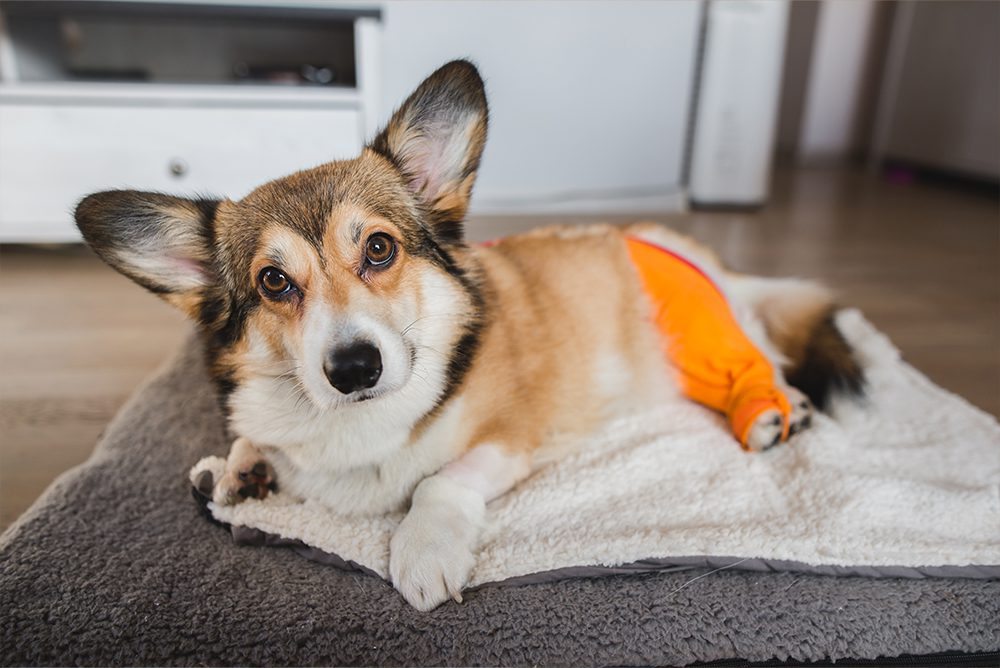
Surgery is often needed for a torn ACL in dogs because the ligament can’t heal on its own, and without stabilization the knee keeps sliding with every step, leading to pain, cartilage damage, and progressive arthritis. Surgical repair restores stability so the dog can use the leg comfortably again. In veterinary medicine, this ligament is called the cranial cruciate ligament, or CCL, and tearing it is one of the most common orthopedic injuries in dogs. It can happen during a sudden twist at the park, but it more often develops gradually as the ligament weakens over time. At Family Veterinary Care of Oakdale, we help Stanislaus County pet owners understand what a cruciate injury means for their dog and what the path to recovery looks like. This article covers why the ligament fails, what happens without treatment, how the right surgery is chosen, and what to expect during healing.
What Is a Torn ACL in Dogs and Why Doesn’t It Heal on Its Own?
The cranial cruciate ligament connects the thigh bone to the shin bone inside the knee and keeps the shin from sliding forward during movement. When it tears partially or completely, the joint loses that critical stability. Owners usually first notice a torn ACL in dogs as a sudden back leg limp, toe-touching, or stiffness after rest.
How Dogs Differ From People
Unlike in human athletes, where a single traumatic event usually causes the tear, a torn ACL in dogs typically results from gradual degeneration. The shape of a dog’s knee places constant stress on the ligament, and over months or years the fibers weaken until a routine movement causes a partial or full rupture. That’s why many dogs seem to injure themselves doing something ordinary, like stepping off a curb or turning quickly in the yard.
Why the Ligament Can’t Repair Itself
The cruciate ligament has a very limited blood supply, which means torn fibers don’t regenerate. Scar tissue forms around the joint over time, but it never restores normal stability. As a result, the knee continues to shift abnormally with each step. This is the core reason a torn ACL in dogs usually calls for surgical stabilization rather than rest alone.
Dogs at Higher Risk
Certain dogs are more likely to experience cruciate injuries:
- Large breeds such as Labrador Retrievers, Rottweilers, Newfoundlands, and Golden Retrievers
- Dogs carrying extra body weight
- Dogs with a steep slope at the top of the shin bone
- Very active dogs that sprint, jump, and pivot frequently
- Dogs that have already torn the ligament in the opposite knee
What Happens if a Torn ACL in a Dog Is Left Untreated?
Some owners hope rest alone will solve the problem, and the limp may even improve slightly over a few weeks. Unfortunately, the underlying instability remains and continues to damage the joint. An untreated torn ACL in dogs sets off a chain of problems that build on one another.
Rapid Arthritis Development
Every time an unstable knee shifts, the bone surfaces grind and inflame the joint lining. Within weeks, the body begins forming bony spurs as it attempts to stabilize the joint. This process leads to osteoarthritis, which is permanent and progressive. Even dogs that eventually have surgery tend to have less arthritis when repair happens sooner.
Meniscal Tears
The meniscus is a C-shaped cushion of cartilage inside the knee. When the knee is unstable, the meniscus can get pinched and torn, causing a sudden worsening of lameness and sometimes an audible clicking sound when the dog walks.
Strain on the Other Leg
Dogs with a torn ACL shift their weight to the healthy back leg. That extra load increases the chance of the opposite ligament tearing too. Studies suggest a large share of dogs with a cruciate tear in one knee will eventually tear the other, making early intervention even more important.
Muscle Loss and Reduced Activity
Without use, the thigh muscles of the affected leg shrink noticeably. Dogs often become less active, gain weight, and lose fitness, which can create a cycle of further joint stress. Small dogs under about 30 pounds sometimes do reasonably well with conservative management, but most medium and large dogs need surgery for a good long-term outcome. Your veterinarian can help you weigh these options based on your dog’s size, lifestyle, and overall health.
How Do Veterinarians Determine Which ACL Surgery Is Best for a Dog?
There’s no single surgery that suits every dog. Your veterinarian considers your pet’s size, activity level, age, knee shape, and overall health before making a recommendation. Matching the procedure to the dog is one of the most important steps in treating a torn ACL in dogs successfully.
Confirming the Diagnosis
Diagnosis begins with an orthopedic exam. Your veterinarian checks for a “drawer sign” or “tibial thrust,” which are forward movements of the shin bone that shouldn’t happen in a healthy knee. Sedation helps relax the muscles so the test is accurate and comfortable. X-rays rule out fractures and other problems and show joint fluid buildup and early arthritis. They also allow measurement of the tibial plateau angle, which influences surgical planning.
The Main Surgical Options
Veterinarians commonly choose from three approaches when repairing a torn ACL in dogs:
- Lateral suture (extracapsular repair): a strong synthetic strand placed outside the joint to mimic the ligament, often used for small and lighter dogs
- TPLO (tibial plateau leveling osteotomy): the top of the shin bone is cut and rotated to change the knee’s mechanics, then held with a plate and screws, widely preferred for large and active dogs
- TTA (tibial tuberosity advancement): the front of the shin bone is moved forward to neutralize the forces that stress the knee
Factors That Guide the Choice
Lighter, less active dogs often recover well with a lateral suture. Heavier or highly athletic dogs usually benefit from bone-altering procedures like TPLO, which offer more durable stability. Some procedures require specialized equipment and training, so your veterinarian may coordinate a referral to a board-certified surgeon when that’s the best fit for your dog.
What Does Recovery Look Like After ACL Surgery in Dogs?
Healing after cruciate surgery takes time and patience. Most dogs need around 8 to 16 weeks of carefully controlled activity before returning to full exercise.
The First Few Weeks
Your dog typically goes home within a day or two with prescribed pain medication, an e-collar to protect the incision, and a detailed recovery plan from your veterinarian. Early on, activity is very limited, often to short leash walks for bathroom breaks. Following the restrictions closely protects the repair while bone and tissue heal.
Gradual Return to Activity
As healing progresses, your veterinarian will gradually increase walking time and introduce controlled exercise. Recheck appointments, including follow-up X-rays after bone-altering procedures, confirm that everything is healing properly before activity increases further. Many veterinarians also recommend professional rehabilitation therapy, which can speed recovery and rebuild muscle strength. Underwater treadmill sessions, guided exercises, and therapeutic laser are a few of the tools rehab professionals may use, depending on your dog’s needs.
Long-Term Outlook
The prognosis after surgery for a torn ACL in dogs is generally very good. Most dogs return to walking, running, and playing comfortably. Some arthritis may still develop over time, but surgery significantly slows its progression. Maintaining a lean body weight and staying on schedule with wellness exams helps protect both knees for years to come.
Restoring Mobility for Oakdale’s Active Dogs
A torn ACL in dogs is more than a temporary limp. Without stabilization, the knee continues to deteriorate, often affecting the other leg as well. Surgery offers the best chance for most dogs to regain strength, stay active, and live comfortably. The team at Family Veterinary Care of Oakdale provides thorough orthopedic exams, X-rays, and guidance on the surgical option best suited to your dog, including coordinating specialist care when needed. We’ll stay involved throughout recovery, too, answering questions and monitoring progress at every recheck. If your dog is limping on a back leg, sitting with one leg kicked out, or slowing down on walks, call our Stanislaus County veterinary team at (209) 847-9077 to schedule an evaluation.
Recent Posts
About Us
Family Veterinary Care of Oakdale has proudly served the community for more than 30 years, carrying forward a tradition of personal, dependable veterinary care. As a privately owned and family-run practice, we’re honored to care for local pets and families and proud to be recognized as a leading veterinary office across Oakdale, Riverbank, Escalon, and the 209 Region.