
Dog Is Limping After Jumping Off The Bed
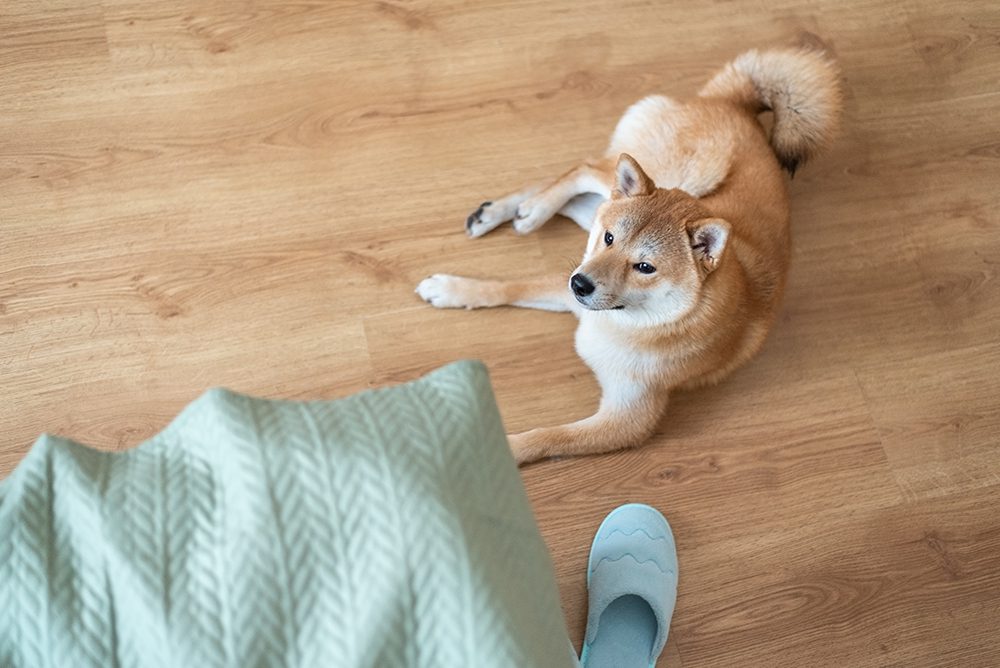
If your dog is limping after jumping off the bed, the cause may be a mild sprain, but it can also be a fracture, torn ligament, dislocated kneecap, or back injury, so a veterinary exam is the safest way to find out. Limping that lasts more than a day, or any refusal to use the leg, calls for a prompt visit. A leap from the bed or couch seems harmless because dogs do it all the time. Yet the landing puts a surprising amount of force on the front legs, shoulders, and spine, especially for small, young, senior, or overweight dogs. One awkward landing on a slick floor can cause an injury that isn’t obvious at first glance. At Family Veterinary Care of Oakdale, we see plenty of Stanislaus County dogs whose limp started with a simple hop off the furniture. This guide explains which injuries happen most often, how different injuries tend to present, when to call your veterinarian, and how to make jumping safer at home.
Can Jumping Off Furniture Cause a Serious Leg Injury in a Dog?
Yes, jumping off furniture can cause injuries ranging from minor muscle strains to broken bones. The height of the jump, the landing surface, and your dog’s size and age all influence the risk.
Why Landings Are So Hard on the Body
When a dog jumps down, the front legs absorb most of the impact. For a small dog, a standard bed can be several times their own height, which is a bit like a person leaping off a one-story roof. Hardwood, tile, and laminate floors make things worse, since paws can slide out sideways on contact and twist joints in unnatural directions.
Injuries Veterinarians Commonly See
When a dog is limping after jumping off the bed, these are some of the most frequent diagnoses:
- Front leg fractures: toy breeds like Pomeranians, Italian Greyhounds, Chihuahuas, and Toy Poodles have very thin forearm bones that can break on landing
- Soft tissue sprains and strains: stretched or torn muscles, tendons, or ligaments in the wrist, shoulder, or elbow
- Kneecap dislocation: a patella that pops out of its groove, especially in small breeds already prone to the condition
- Cruciate ligament tears: a twist on landing can rupture the main stabilizing ligament in the knee
- Spinal disc injuries: long-backed breeds like Dachshunds, Corgis, and Basset Hounds can rupture a disc, which may first look like limping or weakness
- Toe and nail injuries: a nail can catch on bedding or snap on impact
Dogs at Greater Risk
Puppies have growth plates that are still developing and more vulnerable to damage. Senior dogs often have arthritis or weaker muscles that make landings riskier. Overweight dogs put extra force on every joint with each jump. Even fit, healthy adult dogs can get hurt if they land at an odd angle or slip. That’s why the possibilities are so wide when a dog is limping after jumping off the bed, and why a professional exam is so valuable.
How Can You Tell if a Dog’s Limp Is From a Sprain, Fracture, or Joint Injury?
The honest answer is that you often can’t tell for sure at home. Many injuries look alike from the outside, and only a hands-on exam and X-rays can confirm what happened. Still, certain patterns can help you describe the situation to your veterinarian.
Patterns That May Suggest a Sprain or Strain
Soft tissue injuries often produce a mild to moderate limp. Your dog may still touch the toes to the ground, favor the leg after resting, or seem stiff when getting up. Swelling, if present, is usually mild. However, a sprain can be just as painful as a break in the first few hours, so severity alone isn’t a reliable guide.
Patterns That May Point to a Fracture
Broken bones commonly cause a dog to hold the leg completely off the ground. You may notice significant swelling, an unusual angle in the limb, or crying out when the leg is touched. Toy breeds that yelp and immediately refuse to use a front leg after jumping down should be examined right away, since forearm fractures are common in these dogs.
Patterns That May Indicate a Joint or Spinal Problem
Kneecap dislocations often cause a skipping gait where the dog hops on three legs for a few steps, then returns to normal. Cruciate tears typically cause a back leg limp with the dog sitting with that leg kicked out to the side. Back injuries may show up as a hunched posture, reluctance to move, trembling, wobbliness, or dragging of the paws, sometimes in more than one leg.
Because these descriptions overlap, avoid handling or flexing the leg to investigate. Doing so can increase pain and turn a stable injury into a worse one.
When Should You Take a Limping Dog to the Veterinarian After a Fall?
Some limps fade within minutes, while others signal an injury that needs treatment. If your dog is limping after jumping off a bed and the limp hasn’t fully resolved by the next morning, it’s time to schedule a visit. A good rule of thumb is that any limp lasting longer than 24 hours deserves an exam, and some signs need care the same day.
Same-Day or Emergency Warning Signs
Contact your veterinarian or an emergency hospital immediately if your dog shows any of the following after a jump or fall:
- Holding a leg up and refusing to put any weight on it
- A limb that looks bent, swollen, or out of position
- Yelping, shaking, or panting from pain
- Weakness, stumbling, or knuckling of the paws
- Difficulty urinating or loss of bladder control
- A hunched back or reluctance to lift the head
Why a Mild Limp Still Matters
Even a limp that seems to come and go deserves attention when it lingers. Partial ligament tears can progress to full tears with continued activity, and small fractures can shift if the leg keeps bearing weight. In the meantime, keep your dog confined and quiet, carry small dogs instead of letting them navigate stairs, and skip walks until your veterinarian has examined the leg. Please don’t offer any human pain medication; many common over-the-counter products are toxic to dogs.
What to Share at the Appointment
Tell your veterinarian how high the jump was, what type of floor your dog landed on, and when the limp began. A short video of your dog walking at home helps too, since many dogs mask their limp from excitement in the exam room.
How Can You Help Prevent Furniture-Related Injuries in Dogs?
A few changes around the house can dramatically reduce the risk of another injury once your dog has healed. Prevention is especially worthwhile for toy breeds, long-backed dogs, and seniors.
Make Getting Down Easier
Pet stairs and ramps let dogs climb on and off furniture without the impact of a full jump. Placing a rug or non-slip mat where your dog usually lands improves traction on hard floors. Some families choose to lift small dogs on and off the bed or create a cozy dog bed at floor level instead. Training a simple “wait” cue before your dog gets down can also slow them enough to use the stairs rather than launching off the edge.
Support Healthy Joints
Maintaining a healthy weight reduces strain on every joint. Keeping nails trimmed improves traction and foot placement. Regular wellness visits give your veterinarian a chance to spot early arthritis, loose kneecaps, or other conditions that raise injury risk, and to recommend joint support options suited to your dog.
Help for Limping Dogs in and Throughout Stanislaus County
When a dog is limping after jumping off the bed, it’s easy to assume the problem will pass on its own. Sometimes it does, but fractures, ligament tears, and spinal injuries can look surprisingly mild at first, and early treatment often leads to a faster, more complete recovery. The team at Family Veterinary Care of Oakdale provides careful lameness exams, diagnostic imaging, and clear treatment plans tailored to your dog’s size, age, and lifestyle. We can also help you plan safer setups at home so your companion avoids a repeat injury. Call Family Veterinary Care of Oakdale at (209) 847-9077 to schedule an exam and get answers quickly.
Recent Posts
About Us
Family Veterinary Care of Oakdale has proudly served the community for more than 30 years, carrying forward a tradition of personal, dependable veterinary care. As a privately owned and family-run practice, we’re honored to care for local pets and families and proud to be recognized as a leading veterinary office across Oakdale, Riverbank, Escalon, and the 209 Region.