What Health Conditions in Pets Can Orthopedic Surgery Treat?
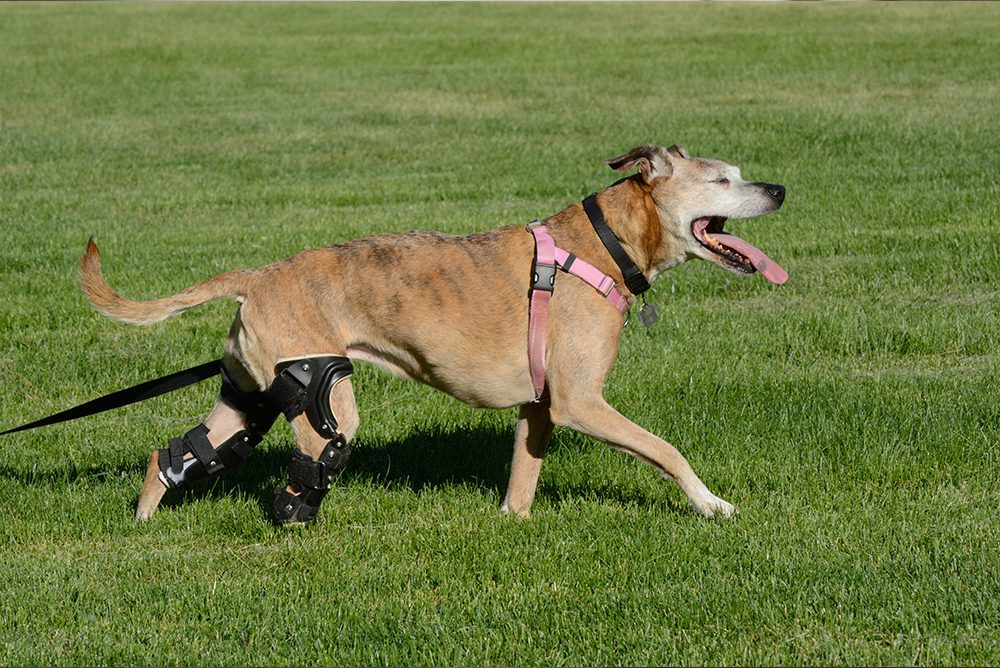
Orthopedic surgery can treat bone, joint, and ligament problems in dogs and cats, including fractures, torn cruciate ligaments, luxating kneecaps, hip and elbow dysplasia, dislocations, and certain bone tumors. The goal is to relieve pain, restore stability, and help pets move comfortably again. If you’ve wondered what condition pet orthopedic surgery can treat in your own dog or cat, the list is broader than most people expect. Some procedures repair sudden injuries from falls or accidents, while others correct developmental problems that appear as a young animal grows. At Family Veterinary Care of Oakdale, we evaluate mobility problems for pets throughout Stanislaus County and help families understand when surgery offers the best outcome. This article walks through the most common conditions, how surgery helps with each type of problem, the signs that warrant an orthopedic exam, and how veterinarians decide whether a pet is a good surgical candidate.
What Are the Most Common Bone and Joint Problems Treated With Orthopedic Surgery?
Orthopedic conditions fall into two broad groups: injuries caused by trauma and problems that develop over time due to genetics, growth, or wear. Understanding what conditions pet orthopedic surgery can treat starts with knowing these categories.
Conditions Frequently Seen in Dogs
- Cranial cruciate ligament tears: the most common orthopedic injury in dogs, causing knee instability and back leg lameness
- Medial patellar luxation: a kneecap that slips out of place, especially in small breeds
- Hip dysplasia: a malformed hip joint common in large breeds like German Shepherds and Labradors
- Elbow dysplasia: abnormal development of the elbow joint leading to front leg lameness and early arthritis
- Legg-Calvé-Perthes disease: loss of blood supply to the head of the femur in young toy and terrier breeds
- Osteochondritis dissecans (OCD): a cartilage defect in growing dogs that can cause a loose flap inside the joint
Conditions Often Seen in Cats
Cats need orthopedic care too, even though they hide pain extremely well. Fractures from falls or car accidents are among the most common feline orthopedic problems. Young, overweight neutered male cats can develop a slipped growth plate at the top of the femur. Some cats, including Maine Coons and Persians, are prone to hip dysplasia, and kneecap luxation occurs in cats as well.
Problems That Affect Any Pet
Fractures, joint dislocations, and growth deformities that cause a leg to bend abnormally can affect dogs and cats of any breed. In some cases, bone cancer also requires orthopedic surgery, either to remove the affected limb or to relieve pain. Most dogs and cats adapt remarkably well to life on three legs, often moving more comfortably after the painful limb is gone.
How Can Orthopedic Surgery Help Pets With Fractures, Joint Injuries, and Ligament Damage?
Each type of injury calls for a different surgical strategy. The common thread is restoring the structure and function the body can’t repair on its own. Looking at how each repair works also clarifies what conditions pet orthopedic surgery can treat most effectively.
Repairing Broken Bones
Some simple fractures heal with a splint or cast, but many need surgical fixation to align the bone fragments and hold them steady while healing occurs. Veterinary surgeons use bone plates and screws, pins, wires, and external fixators, which are frames attached to the bone from outside the leg. Proper alignment helps the limb heal straight and strong, reducing the risk of long-term lameness.
Stabilizing Damaged Ligaments
Ligaments with a poor blood supply, like the cranial cruciate ligament, don’t heal on their own. Procedures such as lateral suture stabilization, TPLO, and TTA either replace the ligament’s function or change the joint’s mechanics so it no longer depends on the torn tissue. Stabilizing the joint early helps slow arthritis and protects the meniscus inside the knee.
Correcting Joint Problems
Surgery for joint conditions aims to relieve pain and improve function. Kneecap luxation is often corrected by deepening the groove where the kneecap sits and realigning the attachment point of the tendon. For hip problems, options include femoral head ostectomy (FHO), which removes the ball of the hip joint so a pain-free false joint can form, and total hip replacement for suitable candidates. Arthroscopy allows surgeons to view and treat problems inside the elbow or shoulder through tiny incisions.
Managing Dislocations and Growth Deformities
Joints that are knocked out of place may be put back in under anesthesia, but recurring dislocations often need surgical stabilization. Limbs that grow crooked because of growth plate damage can be straightened through corrective bone procedures, improving comfort and gait.
What Signs Suggest a Pet May Need an Orthopedic Evaluation?
Orthopedic problems often start subtly, and many pets adapt their movement to hide discomfort. Paying attention to small changes helps catch issues before they worsen. Early detection often widens the range of treatment choices and can make pet orthopedic surgery, if needed, simpler and more successful.
Changes to Watch For
Schedule an exam with your veterinarian if your pet shows any of these signs:
- Limping, skipping steps, or holding a leg up
- Stiffness when rising, especially after rest
- Reluctance to jump, climb stairs, or get into the car
- A “bunny-hopping” gait using both back legs together
- Muscle loss in one leg compared to the other
- Swelling around a joint or a limb that looks crooked
- Cats that stop using high perches or the litter box normally
Why Cats Need Extra Attention
Cats rarely limp dramatically. Instead, they sleep more, groom less, hide, or avoid jumping. These quiet changes can signal arthritis, an old injury, or a developmental joint problem that deserves professional evaluation.
Emergencies That Can’t Wait
A limb that dangles, bends at an unusual angle, or has an open wound needs immediate care. The same goes for any pet that refuses to bear weight after a fall or accident. Call us at (209) 847-9077 or visit the nearest emergency hospital right away in these situations.
How Do Veterinarians Decide if a Pet Is a Good Candidate for Orthopedic Surgery?
Not every orthopedic problem requires an operation. Your veterinarian evaluates the whole pet, not just the injured limb, before recommending surgery. This careful approach helps ensure pet orthopedic surgery is reserved for cases where it truly offers the best result.
The Diagnostic Process
An orthopedic exam includes watching your pet walk, feeling each joint for pain, swelling, or instability, and checking range of motion. X-rays are the foundation of most orthopedic diagnoses, revealing fractures, joint changes, and bone abnormalities. Some cases require sedation for accurate testing, and advanced imaging like CT scans may be recommended for complex joints.
Factors Considered Before Surgery
Your veterinarian weighs your pet’s age, weight, activity level, and overall health, along with the severity of the problem. Pre-anesthetic bloodwork helps confirm your pet can safely undergo anesthesia. Some conditions, such as mild kneecap luxation or early arthritis, may respond well to weight management, prescribed medications, and rehabilitation, while others clearly benefit from surgical correction. Certain advanced procedures require specialized equipment, so your veterinarian may coordinate a referral to a board-certified surgeon when that’s in your pet’s best interest.
Planning for Recovery
Recovery from orthopedic surgery usually involves several weeks of restricted activity, prescribed pain control, and follow-up visits with X-rays to monitor healing. Many pets also benefit from professional rehabilitation therapy, and your veterinary team will outline a personalized plan before surgery so you know what to expect.
Orthopedic Care That Gets Stanislaus County Pets Moving Again
From fractures and torn ligaments to hip dysplasia and slipping kneecaps, orthopedic surgery helps many dogs and cats return to comfortable, active lives. Knowing what condition pet orthopedic surgery can treat is the first step, and a thorough exam determines whether it’s the right option for your companion. The team at Family Veterinary Care of Oakdale offers careful orthopedic evaluations, diagnostic imaging, and clear guidance on surgical and non-surgical options, including coordinating specialist care when needed. If your dog or cat is limping, moving stiffly, or avoiding activities they used to love, call Family Veterinary Care of Oakdale at (209) 847-9077 to schedule an appointment and take the first step toward better mobility.
Recent Posts
About Us
Family Veterinary Care of Oakdale has proudly served the community for more than 30 years, carrying forward a tradition of personal, dependable veterinary care. As a privately owned and family-run practice, we’re honored to care for local pets and families and proud to be recognized as a leading veterinary office across Oakdale, Riverbank, Escalon, and the 209 Region.