
When Is a Lump in Dogs Serious Enough to Remove?
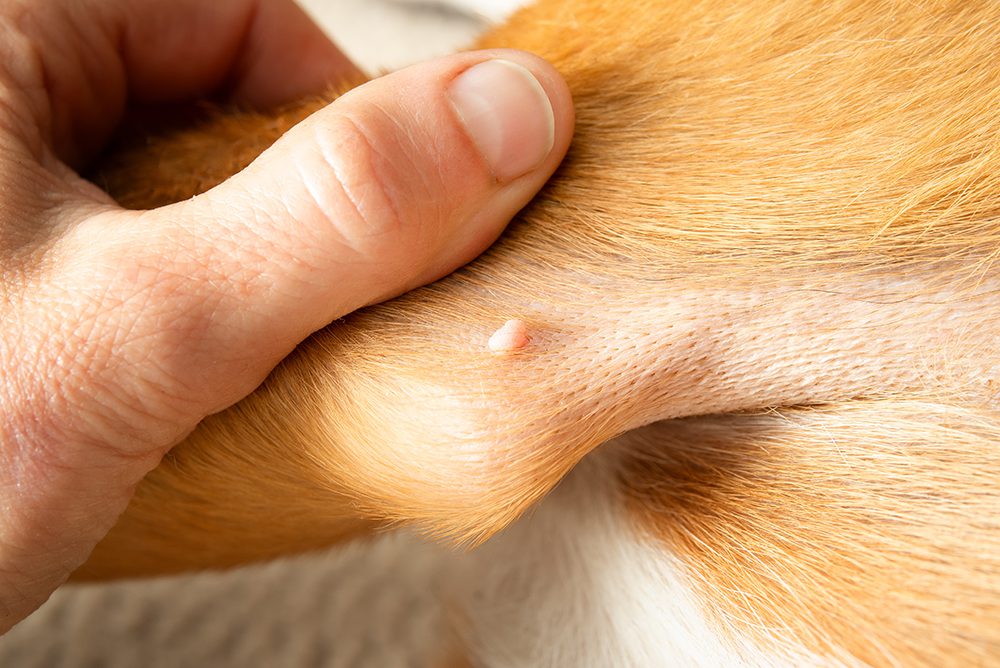
A lump in dogs is serious enough to remove when it grows quickly, feels firm or fixed in place, bleeds, ulcerates, bothers your dog, or returns concerning results from a needle sample or biopsy. Many lumps are harmless, but the only reliable way to know is to have a veterinarian examine and test the mass. Running your hand along your dog’s side and finding an unexpected bump can stir up instant worry, and that reaction makes sense. Some growths are simple fatty deposits that never cause trouble, while others are early cancers that respond best to prompt treatment. At Family Veterinary Care of Oakdale, we see dogs from all over Stanislaus County for lump evaluations every week, and we know how much peace of mind a clear answer brings. This article explains which types of lumps show up most often, when testing or removal makes sense, what happens on surgery day, and what the healing period usually involves.
What Types of Lumps Are Most Common in Dogs?
Dogs develop a surprising variety of growths, especially as they reach middle and senior age. Most owners first notice a lump in dogs while petting, brushing, or bathing their companion. Knowing the most common categories helps put a newly discovered lump in dogs into perspective, though appearance alone never confirms a diagnosis.
Usually Benign Growths
Lipomas are soft, movable fatty tumors that often appear on the chest, belly, and upper legs of older or overweight dogs. Sebaceous cysts and adenomas form from oil glands in the skin and can look like small warts or raised pimples. Histiocytomas are small, red, button-shaped bumps that tend to pop up on young dogs and sometimes fade on their own. Skin tags, warts, and hematomas from minor injuries round out the list of frequently harmless findings. Even so, a benign lump in dogs can still grow large enough to cause problems if it sits in an awkward spot.
Growths That Can Be Cancerous
Other masses carry more risk and deserve closer attention. Here are several your veterinarian will want to rule out:
- Mast cell tumors: one of the most common skin cancers in dogs, known for changing size from day to day
- Soft tissue sarcomas: firm masses that often feel attached to deeper tissue
- Mammary tumors: lumps along the belly of female dogs, especially those spayed later in life or never spayed
- Melanomas: dark growths that can be aggressive when found in the mouth or on the toes
- Lymphoma: enlarged lymph nodes under the jaw, in front of the shoulders, or behind the knees
Mast cell tumors are a good example of why guessing at home is risky. They can look and feel almost identical to a lipoma, yet they behave very differently and often need wide surgical margins. Because a cancerous lump in dogs can mimic a harmless one so closely, testing is the only dependable way to tell them apart.
When Should a Dog Have a Lump Biopsied or Surgically Removed?
Not every bump needs an operation, but every new lump in dogs deserves a professional look. Testing tells your veterinarian what the mass is made of, and that information drives the decision to monitor or remove it.
The Role of Needle Samples and Biopsies
A fine needle aspirate is usually the first step. Your veterinarian inserts a thin needle into the mass, collects a small number of cells, and examines them under a microscope or sends them to a pathologist. This quick test often happens during a routine exam and requires no anesthesia. When the aspirate is inconclusive, a biopsy removes a small wedge of tissue or the entire mass for a more detailed analysis. Biopsy results reveal not only the type of growth but also how aggressive it may be. Together, these tests give your veterinarian a clear picture of whether a lump in dogs needs surgery now or can safely wait.
Red Flags That Point Toward Removal
Veterinarians typically recommend surgical removal when a lump in dogs shows one or more of these characteristics:
- Doubles in size or grows noticeably within a month
- Feels hard, irregular, or anchored to the tissue underneath
- Bleeds, oozes, or develops an open sore on the surface
- Sits in a spot that rubs against a collar, harness, or leg
- Causes itching, licking, or obvious discomfort
- Returns a malignant or suspicious result on cytology
When Monitoring Is Reasonable
If testing confirms a benign mass like a small lipoma, your veterinarian may suggest watching it instead. Measuring and photographing the growth at each visit makes it easy to spot changes over time. Removal may still make sense later if a benign lump grows large enough to affect mobility or comfort, since smaller masses are simpler to take out. Monitoring a lump in dogs is a valid plan only when a veterinarian has confirmed what it is first.
What Happens During Surgery to Remove a Lump From a Dog?
Lump removal, also called a mass excision or lumpectomy, is one of the most common procedures in general veterinary practice. Understanding each stage makes the day feel far more manageable, whether your dog is having a single small growth or several lumps in dogs of different types removed at once.
Before the Procedure
Your veterinarian reviews pre-anesthetic bloodwork to confirm your dog’s liver and kidneys can process anesthesia safely. Older dogs may also need chest X-rays, particularly if the mass is suspected to be cancerous, so the team can check for spread before surgery. You’ll receive instructions about withholding food beforehand, and the staff will answer any last-minute questions at drop-off.
In the Operating Room
Once your dog is under general anesthesia, a technician monitors heart rate, breathing, oxygen saturation, blood pressure, and temperature throughout the procedure. The surgical site is shaved and scrubbed to reduce infection risk. The veterinarian then removes the lump along with a border of healthy-looking tissue, called a margin. Benign masses may only need a narrow margin, while cancers such as mast cell tumors and sarcomas require wider ones to help remove microscopic cells that extend beyond the visible edge. The incision is closed with sutures or staples, and the tissue is typically sent to a pathology lab.
Pathology Results
Lab results usually arrive within several days to a couple of weeks. The report names the type of growth and states whether the margins are clean. Your veterinarian will walk you through the findings and explain whether any next steps, such as a referral to a veterinary oncologist, are recommended.
What Does Recovery Look Like After a Lump Is Removed?
Most dogs bounce back quickly after a routine mass removal and go home the same day. Recovery time depends on the size and location of the incision and on whether multiple lumps were removed at once.
The First Few Weeks
Your veterinary team sends you home with discharge instructions and any prescribed pain medication specific to your dog’s surgery. Many dogs wear a cone or recovery suit to prevent licking at the incision while it heals. Activity restrictions are common, especially when the incision sits over a joint or another area that stretches with movement. Suture removal or a recheck exam is usually scheduled about 10 to 14 days after surgery.
Watching for Changes Going Forward
Dogs that have had one lump are often prone to developing more, and certain breeds, including Labrador Retrievers, Boxers, Golden Retrievers, and Pugs, tend to grow lumps more often than others. Regular wellness exams give your veterinarian a chance to check for new growths, and monthly at-home “lump checks” while petting or grooming help you notice changes early. If something new appears, or if the incision shows swelling, discharge, or redness during healing, contact your veterinarian promptly rather than waiting for the next scheduled visit.
Get a Lump in Dogs Checked by Our Stanislaus County Veterinary Team
Finding a lump on your dog doesn’t automatically mean bad news, but it does mean it’s time for answers. A simple exam and needle sample can often reveal whether a lump in dogs is something to watch or something to remove, and early action gives your dog the widest range of options. The veterinary team at Family Veterinary Care of Oakdale offers thorough lump evaluations, in-house diagnostics, and surgical removal when it’s the right choice for your pet. We’ll explain what we find in plain language, discuss the pros and cons of each path, and support you and your dog from the first exam through full recovery. If you’ve noticed a new bump, a growth that’s changing, or anything that just doesn’t feel right, call Family Veterinary Care of Oakdale at (209) 847-9077 to schedule an appointment for your dog today.
Recent Posts
About Us
Family Veterinary Care of Oakdale has proudly served the community for more than 30 years, carrying forward a tradition of personal, dependable veterinary care. As a privately owned and family-run practice, we’re honored to care for local pets and families and proud to be recognized as a leading veterinary office across Oakdale, Riverbank, Escalon, and the 209 Region.