When Does a Dog or Cat Need Soft Tissue Surgery? Common Conditions Treated
A dog or cat needs soft tissue surgery when a problem in the skin, organs, or other non-bone structures can’t be resolved with medication, diet changes, or monitoring alone. Common examples include removing suspicious masses, repairing wounds, clearing intestinal blockages, and taking out bladder stones. If you’ve been asking yourself when does a dog or cat need soft tissue surgery, the honest answer is that it depends on your pet’s diagnosis, overall health, and how the condition is likely to progress without intervention. At Family Veterinary Care of Oakdale, we help pet owners throughout Oakdale, CA and the surrounding Stanislaus County communities understand every option before making a decision. Many soft tissue procedures are routine, but hearing the word “surgery” can still feel overwhelming. This guide covers the conditions veterinarians treat most often, how the decision to operate gets made, the warning signs worth watching for, and what the surgical experience generally looks like for you and your pet.
What Are the Most Common Conditions That Require Soft Tissue Surgery in Dogs and Cats?
Soft tissue surgery includes any procedure that doesn’t involve bones or joints, which makes it one of the broadest categories in veterinary medicine. It covers everything from the skin’s surface to the organs inside the chest and abdomen.
Lumps, Bumps, and Growths
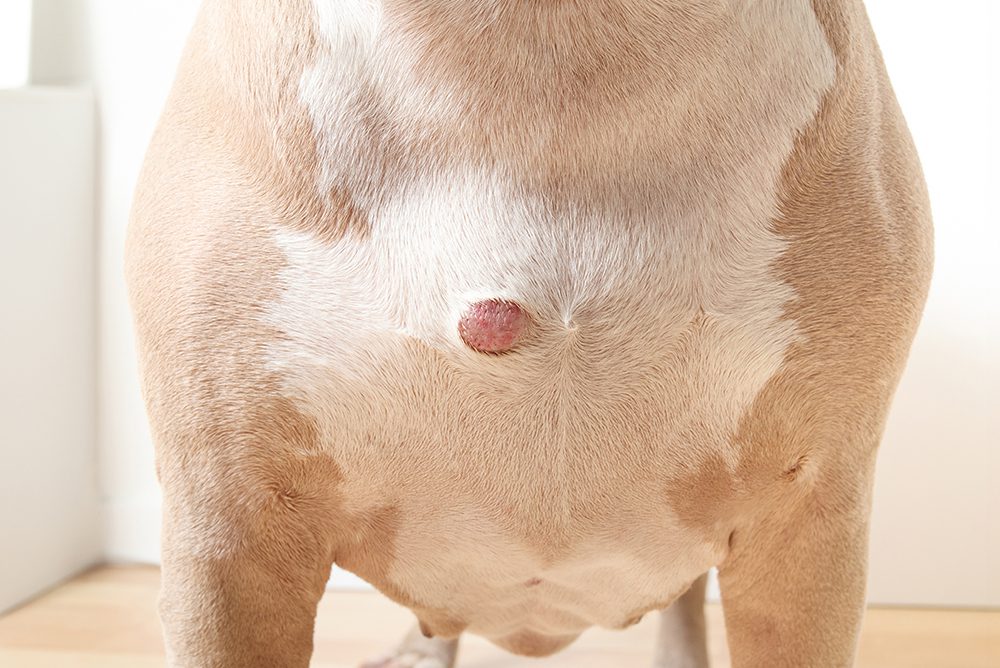
Masses are one of the most frequent reasons pets end up in the operating room. Some growths turn out to be harmless fatty tumors, while others are cancerous and need removal with wide margins. Your veterinarian often recommends surgery when a mass grows quickly, changes texture, interferes with movement, or shows concerning results on a sample. Removing the growth also allows a lab to examine the tissue and confirm exactly what it is.
Swallowed Objects and Digestive Blockages
Dogs are notorious for eating socks, toys, corn cobs, and rocks. Cats tend to swallow string, hair ties, and ribbon. When a foreign object lodges in the stomach or intestines, surgery is often the only way to remove it safely and prevent serious damage to the gut.
Other Frequently Treated Conditions
Beyond masses and blockages, veterinarians regularly perform soft tissue surgery for a wide range of issues:
- Spays and neuters, the most common soft tissue procedures of all
- Bladder stones that block urine flow or won’t dissolve with a prescription diet
- Pyometra, a life-threatening uterine infection in unspayed females
- Deep lacerations, bite wounds, and abscesses that need cleaning and closure
- Hernias in the belly wall, groin, or diaphragm
- Splenic masses that can bleed internally
- Eyelid problems such as entropion or “cherry eye” in dogs
- Airway abnormalities in flat-faced breeds like Pugs, Bulldogs, and Persian cats
How Does a Veterinarian Decide Between Surgery and Other Treatment Options?
Surgery is rarely the first step, and a thorough workup always comes before any recommendation to operate. The goal is to match each pet with the safest and most effective treatment for their specific situation.
Diagnostic Testing Comes First
Your veterinarian starts with a hands-on physical exam and a detailed conversation about your pet’s history and recent behavior. From there, diagnostics help fill in the picture. Bloodwork shows how well the liver and kidneys are working and whether anemia or infection is present. X-rays and ultrasound reveal blockages, stones, fluid, and masses inside the body. A fine needle aspirate or biopsy can tell the team whether a lump is benign or malignant before anyone picks up a scalpel.
Weighing Risks Against Benefits
Once the diagnosis is clear, the veterinary team considers several factors. Urgency matters most: a twisted stomach or a urinary blockage needs immediate attention, while a slow-growing fatty lump might simply be monitored. Age, heart health, and existing medical conditions influence anesthetic risk. Some problems respond well to non-surgical options, such as certain bladder stones that dissolve with a veterinarian-prescribed diet. Others will only worsen over time, and waiting can make the eventual procedure more complicated and more costly.
Questions Worth Asking Your Veterinarian
A good surgical consultation should feel like a two-way conversation. Consider bringing these questions to your appointment:
- What happens if we choose to wait or try a different treatment first?
- What does pre-anesthetic testing show about my pet’s surgical risk?
- How will pain be managed during and after the procedure?
- Will removed tissue be sent to a lab for analysis?
- What does a typical recovery timeline look like for this procedure?
What Are the Signs That a Pet’s Condition May Require Soft Tissue Surgery?
Pets can’t tell us when something feels wrong, so changes in behavior and appearance are often the first clues. Recognizing these signs early gives your veterinarian more options and often leads to a smoother outcome.
Symptoms That Deserve a Prompt Exam
Understanding when a dog or cat need soft tissue surgery often begins with noticing something unusual at home. Schedule a visit if you spot any of the following:
- A new lump, or an existing one that grows, hardens, bleeds, or changes color
- Repeated vomiting, especially when your pet can’t keep food or water down
- Straining to urinate, frequent small urinations, or blood in the urine
- A swollen, firm, or painful belly
- A wound that won’t heal or keeps reopening
- Loud, labored, or noisy breathing during light activity
- Vaginal discharge, lethargy, or excessive thirst in an unspayed female
- Sudden loss of appetite combined with low energy
Why Cats Need Extra Attention
Cats are experts at hiding discomfort. A cat that hides more than usual, stops grooming, or skips meals may be dealing with something serious. Male cats who strain in the litter box without producing urine may have a urethral blockage, which is a true emergency that can become fatal within a day or two.
When to Call Right Away
Some situations can’t wait for a routine appointment. Unproductive retching, a rapidly expanding abdomen, collapse, or heavy bleeding all warrant an immediate call. If you’re unsure whether a symptom is urgent, reach out to our team at (209) 847-9077 for guidance.
What Can Pet Owners Expect Before and After a Soft Tissue Procedure?
Knowing what happens on surgery day helps take much of the worry out of the experience. While every procedure is different, most soft tissue surgeries follow a similar general process.
Preparing for Surgery
Before the procedure, your veterinarian typically runs pre-anesthetic bloodwork to confirm your pet’s organs can safely handle anesthesia. You’ll receive specific instructions about when to withhold food the night before. On the day of surgery, the team places an IV catheter so fluids and medications can be given throughout the procedure. Trained staff monitor heart rate, blood pressure, oxygen levels, and body temperature from the moment anesthesia begins until your pet wakes up.
The Recovery Period
Many pets go home the same day after a routine procedure, while more involved surgeries may require a hospital stay for observation and pain control. Your veterinary team will send you home with detailed discharge instructions tailored to your pet’s surgery, including activity guidelines and any prescribed medications. Following those instructions closely and attending scheduled recheck visits gives the incision the best chance to heal properly. If removed tissue went to a lab, your veterinarian will review the results with you and discuss whether any additional care is recommended.
Reach out to your veterinarian whenever something during recovery doesn’t seem right, such as swelling, discharge, or a sudden change in energy. Catching small concerns early helps prevent them from becoming bigger setbacks.
Trusted Surgical Care for Cats & Dogs Throughout Stanislaus County
Every pet is different, and so is every surgical decision. Knowing when a dog or cat need soft tissue surgery starts with an accurate diagnosis and an honest conversation about the risks, benefits, and alternatives. The team at Family Veterinary Care of Oakdale takes the time to explain each step, from diagnostic testing through recovery, so you never feel rushed into a choice. Whether your pet needs a routine spay, a mass removal, or help with a more complex condition, our goal is to provide careful, compassionate care in a setting that feels familiar to you and your companion. If you’ve noticed a new lump, a change in appetite, or any of the warning signs described above, don’t wait to get answers. Call us at (209) 847-9077 to schedule an exam and learn whether soft tissue surgery is the right path for your dog or cat.
Recent Posts
About Us
Family Veterinary Care of Oakdale has proudly served the community for more than 30 years, carrying forward a tradition of personal, dependable veterinary care. As a privately owned and family-run practice, we’re honored to care for local pets and families and proud to be recognized as a leading veterinary office across Oakdale, Riverbank, Escalon, and the 209 Region.